


In blind taste tests, Pepsi consistently beats Coca-Cola. Participants preferthe taste. The numbers do not lie. And yet Coca-Cola has dominated the global beverage market for over a century, outselling Pepsi in almost every country on earth. If the product is not the reason, what is?
The answer is product marketing. And once you understand it, you will never look at a brand the same way again.
IT WAS NEVER REALLY ABOUT THE DRINK

Coca-Cola does not sell a beverage. It sells a feeling; Happiness, Togetherness, Celebration. Refreshment after a long day. The red can is not just packaging, it is a signal. A promise. A memory trigger that activates something emotional before the first sip is ever taken.
This is not accidental, it is the result of decades of deliberate, disciplined product marketing strategy.
Every campaign, every color choice, every jingle,every partnership, and every placement on a restaurant menu has been designed to reinforce one thing. That Coca-Cola is not just a drink. It is an experience.That is what product marketing does. It closes the gap between what a product is and what it means to the people who buy it.
THE PRODUCT MARKETING STRATEGY BEHIND THE WORLD’S MOST RECOGNIZED BRAND
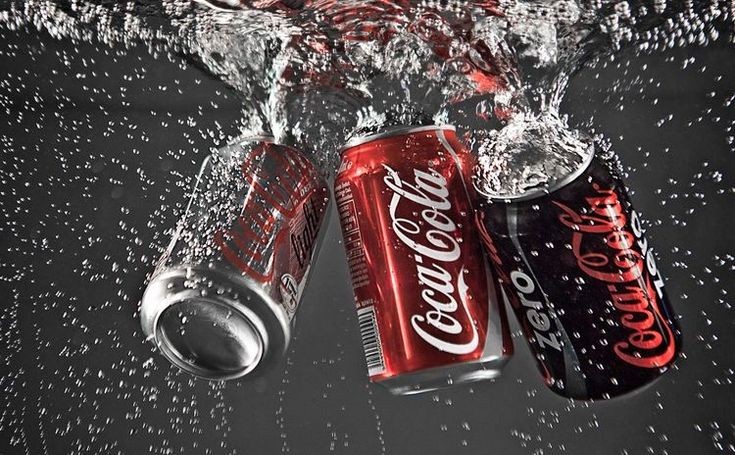
Coca-Cola’s dominance is built on several product marketing principles that any serious marketer needs to understand.
Consistent Identity: Coca-Cola’s red and white color scheme, its signature font, and its iconic bottle shape have remained virtually unchanged for decades. In a world where brands are constantly rebranding to stay relevant, Coca-Cola understood early that consistency builds trust.
People buy from brands they recognize. Recognition requires repetition. And repetition requires the discipline not to change what is already working.
Emotional Positioning: Coca-Cola does not market features. It markets feelings. Its campaigns have always centered on human connection, joy, and shared moments. “Open Happiness.” “Taste the Feeling.” “Share a Coke.” Each of these is not a product description.
It is an emotional invitation.Product marketing at its highest level is not about telling people what your product does. It is about showing them who they become when they use it.
Mass Personalization: The “Share a Coke” campaign, where Coca-Cola replaced its logo with popular names on bottles, is one of the most brilliant product marketing moves in modern history.
It turned a mass-produced beverage into something that felt personal. Sales increased. Social media exploded with people searching for their names. A global brand made millions of individuals feel seen. That is product marketing thinking at its finest.
Cultural Integration: Coca-Cola does not just advertise during cultural moments. It becomes part of them. Christmas. The World Cup. Ramadan. Graduation season. Wherever people gather to celebrate, Coca-Cola finds away to belong.
This level of cultural integration does not happen by accident. It is the result of product marketers who understand their audience deeply enough to know where they are, what they care about, and how to show up meaningfully in those moments.
WHAT NIGERIAN BRANDS CAN LEARN FROM THIS
Here is the uncomfortable truth. Nigeria has incredible products. Foods, fashion, music, technology, and services that are world-class in quality. But quality alone does not build dominant brands. Walk through any Nigerian market or scroll through any Nigerian business page and you will find the same pattern. Great products. Inconsistent identity. Generic messaging. No clear emotional positioning. No story that makes a customer feel something before they even make a purchase.
This is not a product problem. It is a product marketing problem.The brands that will define Nigeria’s next decade of commerce are not necessarily the ones with the best products. They are the ones with the best product marketers behind them. The ones who understand positioning, messaging, audience psychology, and brand storytelling well enough to turn a good product into a movement. Coca-Cola did not win because its cola was superior. It won because its marketing was.
THE SKILL BEHIND THE STRATEGY
Product marketing is not a talent you are born with. It is a skill set that can be learned, practiced, and applied to any product, in any industry, atany scale. The same principles that made Coca-Cola a global icon can make a Lagos-based fashion brand, a Port Harcourt food business, or an Abuja tech startup the most recognized name in its category. Understanding your customer deeply. Positioning your product with clarity. Crafting messaging that moves people. Building a brand identity that is consistent and instantly recognizable. These are learnable skills. And they are among the most valuable skills in the modern economy.
At Elevator, we have spent time watching Nigerian businesses struggle not because their products are bad, but because nobody on their team truly understands product marketing. We decided to do something about it.
“The best product does not always win. The best marketed product does. Coca-Cola has been proving this for over a hundred years.”
SOMETHING IS COMING TO ELEVATOR
We are launching something this month that we believe will change how Nigerians approach building and marketing products. We are not ready to reveal everything just yet. But if you have ever wondered why some brands dominate while others with better products fade into obscurity, what we are building is for you.
If you are a business owner who knows your product deserves more attention than it is getting, this is for you. If you are a marketing professional who wants to sharpen your strategic thinking and command higher value in the market, this is for you. If you are a beginner who wants to build a career in one of the most in-demand fields in the modern economy, this is definitely for you.
We are dropping details very soon. You do not want to miss this one. Follow us and turn on notifications so you are the first to know when we announce. Check here.
For more on what makes iconic brands tick, visit here.
Want to stay updated? Follow us on Instagram and X @joinelevators
